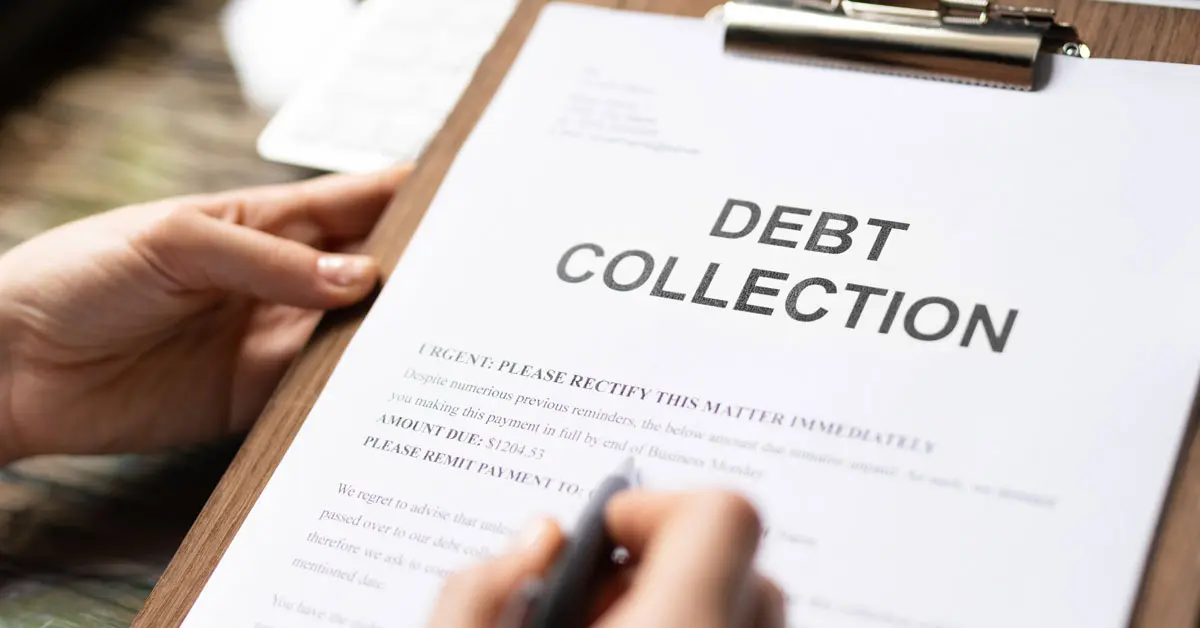
Almost every business that invoices other businesses will, sooner or later, run into a client who simply doesn't pay. Commercial debt recovery is the process of getting that money back — and understanding how it works can save you weeks of chasing and thousands of pounds in avoidable losses.
What is commercial debt recovery?
Commercial debt recovery (also called business debt recovery or B2B debt collection) is the process of recovering money owed by one business to another — typically unpaid invoices for goods, services, or work delivered. It covers everything from a polite reminder email through to formal legal action, and is distinct from consumer debt collection, which deals with money owed by individuals and is governed by a different, more restrictive set of rules.
How commercial debt recovery differs from consumer debt collection
Because both parties in a commercial debt are businesses, the relationship is treated differently in law. There's no equivalent of the Consumer Credit Act protections, the Late Payment of Commercial Debts (Interest) Act 1998 gives creditors a statutory right to charge interest and compensation on late B2B payments, and the process — from Letter Before Action through to Statutory Demand or court action — tends to move faster, because the courts expect two commercial entities to resolve disputes efficiently.
The typical stages of the recovery process
- Internal reminders and credit control — polite chasers, statements, phone calls
- Formal demand — a Letter Before Action setting out the debt and a clear deadline
- Third-party pressure — handing the debt to a specialist recovery agency, whose direct contact and reputation often prompts payment on its own
- Legal escalation — a Statutory Demand (for debts over £750), County Court proceedings, or in serious cases a winding up petition
- Enforcement — if a judgment is obtained but still not paid, enforcement action such as bailiffs/High Court Enforcement Officers or a charging order
What does commercial debt recovery cost?
Most specialist agencies, UKDC included, work on a no-collection, no-fee basis for standard debt recovery — you only pay a percentage of what's actually recovered, so there's no financial risk in trying. Legal action (court fees, solicitor's fees) is usually charged separately and only kicks in if a case genuinely needs to go that route, which is rarer than most business owners expect.
Signs it's time to bring in a recovery specialist
- An invoice is more than 30-60 days overdue with no clear payment plan
- The client has stopped responding to your emails and calls
- You've sent one or two reminders already with no result
- The amount owed is material enough to affect your own cashflow
- You suspect the client is stalling, or in financial difficulty
Choosing the right recovery partner
Look for a partner that's transparent about fees, works on a no-collection no-fee basis where possible, has direct relationships with commercial solicitors for when legal escalation is genuinely needed, and treats your customer relationships with a level of professionalism you're comfortable with — you may want to work with that client again once the debt is settled.
UKDC recovers commercial debts for SMEs across the UK on exactly this basis: no upfront charges, a clear escalation path, and decades of combined experience in getting businesses paid.